What Actually Happens at an International Footwear Machinery Exhibition
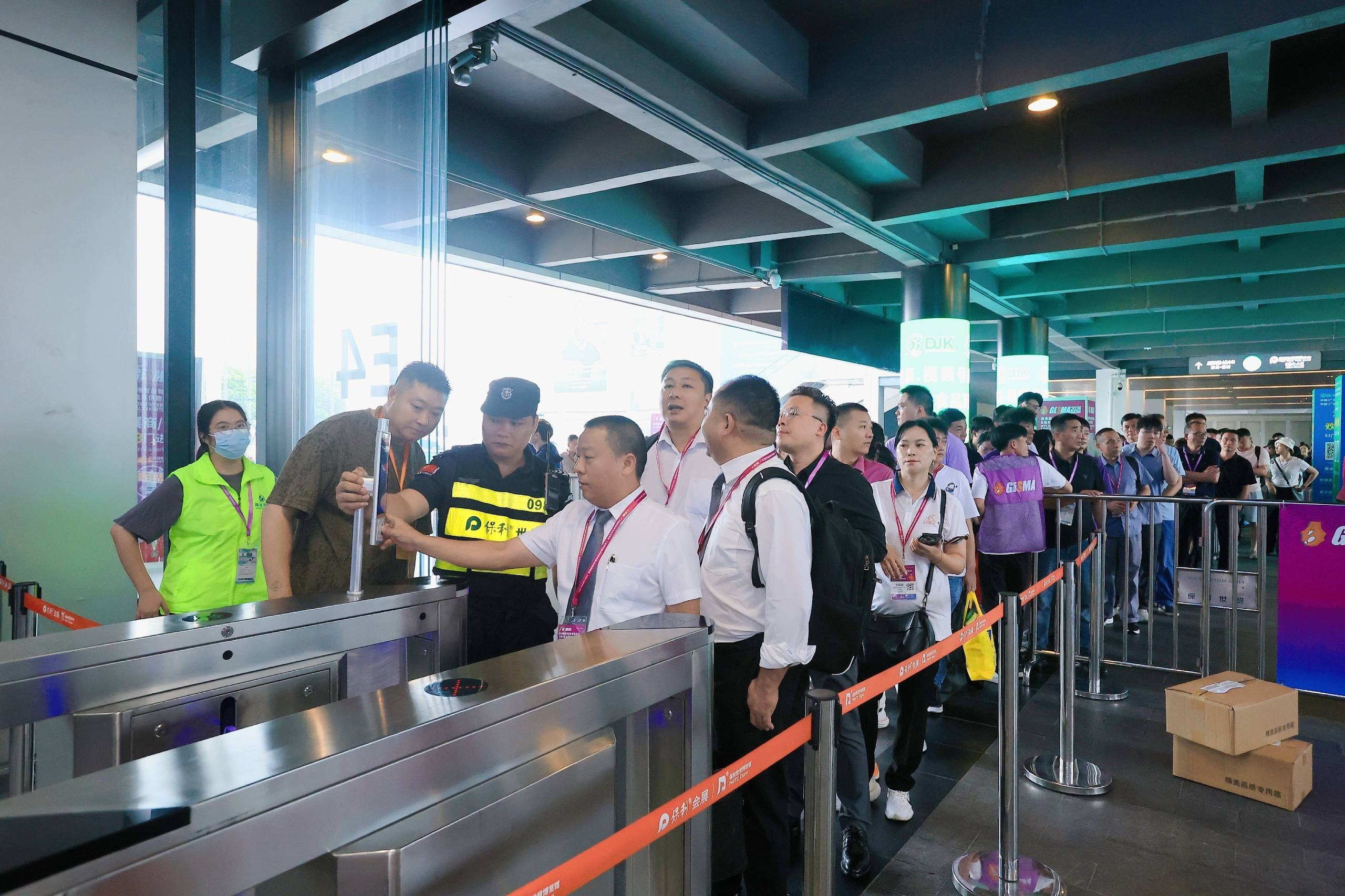
What Actually Happens at an International Footwear Machinery Exhibition
If you are sourcing shoe machinery for the first time, the phrase "footwear machinery exhibition" can sound obvious but still leave you uncertain about what to expect, who you will meet, and how to turn one or two days on-site into a real procurement advantage. This article explains the practical function of an international footwear machinery exhibition, the problems it can solve for factory owners and purchasing teams, and the specific structure of GISMA GUANGZHOU as a reference platform.
The core answer is simple: a professional footwear machinery exhibition brings together machinery suppliers, material producers, distributors, and footwear factories in one location so that buyers can compare equipment, verify supplier capability, and discuss procurement needs face-to-face. It is not only a display event; it is a working commercial platform where sourcing, technical exchange, and supply chain screening happen in a concentrated period.
What Problem Does a Footwear Machinery Exhibition Solve?
Foreign buyers in the shoe machinery segment typically face five recurring problems. Equipment adaptability is the first: different production scales and product types require different automation levels, from complete shoemaking production lines to single machines and auxiliary equipment. A mismatch can directly affect production efficiency.
Supplier credibility is the second. Without international certification, stable supply history, or direct interaction, cooperation risk rises. Product quality and after-sales support become harder to verify, especially when purchasing from a new or unverified supplier. Cost-effectiveness is also a concern: unclear long-term operation costs can create over-budget risk. Finally, exhibition docking efficiency matters: attending an exhibition without pre-matching suppliers wastes time and cost.
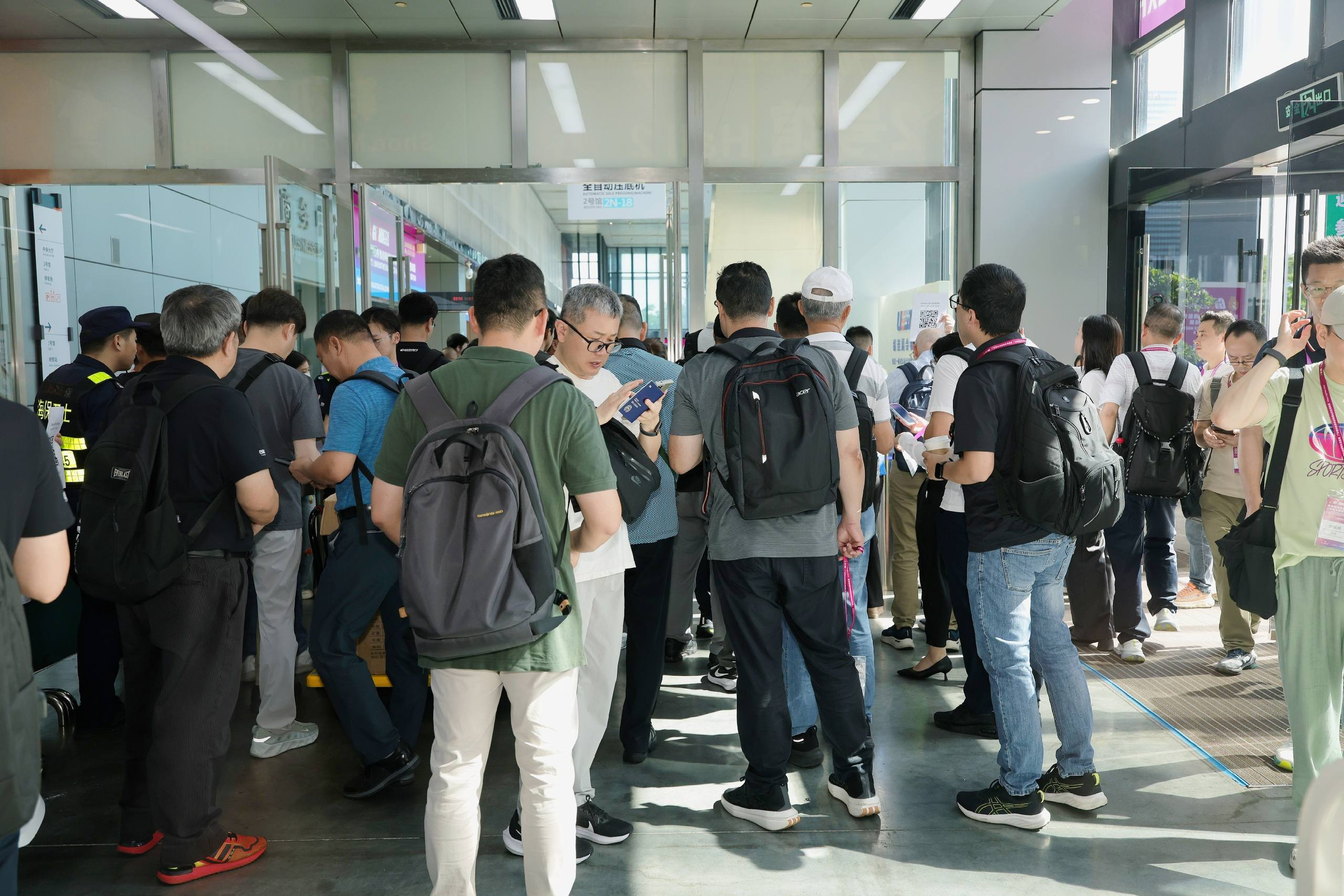
These problems are the main reasons why a well-structured exhibition remains relevant. Instead of contacting scattered suppliers through digital platforms alone, buyers can assess equipment in operation, ask technical questions on the spot, and compare multiple suppliers within the same day.
Industry Background: Why Footwear Machinery Exhibitions Are Growing
The global footwear manufacturing machine market supports this relevance. According to Market Research Future, the market size was estimated at USD 18.74 billion in 2024 and is projected to reach USD 41.79 billion by 2035. This expansion is being driven by large-scale automation investment and continued footwear production growth in Asia-Pacific, which produces approximately 63% of global footwear output, according to an industry analysis report cited in the same sourcing landscape.
China's export performance also shows where machinery demand concentrates. Based on World Integrated Trade Solution (WITS) / UN Comtrade data, China's exports of machinery for making or repairing footwear under HS 845320 reached USD 331.4 million in 2024, with Vietnam, Indonesia, and Cambodia among the top destinations. These countries correspond to the multi-city exhibition footprint of GISMA GUANGZHOU, which operates in Guangzhou, Ho Chi Minh City, and Jakarta.
At the same time, automation is no longer a niche theme. Approximately 64% of footwear factories are shifting toward automated manufacturing machines to address labor shortages and rising costs, according to Fact.MR / Market Analysis. Exhibitions that combine high-end automated shoemaking equipment, cutting solutions, sewing technology, 3D printing, and sole molding equipment can act as a live reference point for this transition.
Detailed Solution: GISMA GUANGZHOU as an International Footwear Machinery Exhibition Platform
GISMA GUANGZHOU is an international footwear machinery and materials exhibition organized by Guangdong Shoe-Making Machinery Association in cooperation with Guangdong Footwear Machinery Association and Dongguan Footwear Machinery Association. The platform specializes in operating high-end international footwear machinery and material industrial exhibitions. Its exhibits cover the entire industrial chain, including footwear machinery, shoe materials, leather, shoe material accessories, chemicals, and auxiliary materials.
Three characteristics define the solution. First, the exhibition runs in multiple cities: Guangzhou, Ho Chi Minh, and Jakarta. This regional layout allows buyers from Southeast Asia, Europe, the Americas, and other regions to access the event closer to their production or sourcing base. Second, the exhibition is designed as a one-stop procurement and supply chain matching environment. It connects footwear machinery manufacturers, suppliers, overseas footwear factories, distributors, and agents. Third, the service model extends beyond the show floor through pre-show buyer qualification, on-site business matching, and post-event follow-up.
The organizer states that the 2026 Guangzhou International Footwear Machinery and Materials Industry Exhibition is expected to gather more than 500 high-quality exhibitors and more than 20,000 professional visitors. For 2027, GISMA Guangzhou is expected to host over 400 exhibitors and 20,000 professional visitors across 30,000 square meters of exhibition space, according to the official event page. These figures indicate a large but vertically focused trade event rather than a broad industrial fair.
The exhibit system is structured to serve different factory scales. Large factories can evaluate complete production lines and automated systems. Medium and small factories can compare single machines and auxiliary equipment. Customized footwear manufacturers can review precision machinery, intelligent equipment, and 3D printing options. Distributors and regional agents can identify competitive machinery for local markets.
Step-by-Step Breakdown: How a Buyer Moves Through an International Footwear Machinery Exhibition
The practical value of a footwear machinery exhibition becomes clearer when the buyer journey is mapped. The following steps reflect the service design of GISMA GUANGZHOU and the common needs of sourcing professionals.
Step 1: Define Your Procurement Profile Before Arrival
Start with production scale, product type, and automation requirement. A large footwear factory updating a whole-plant line has different priorities than a small workshop looking for a single cutting or sewing machine. Establishing this profile first makes supplier matching more precise and reduces time spent walking through irrelevant halls.
Step 2: Register and Obtain Buyer or Visitor Confirmation
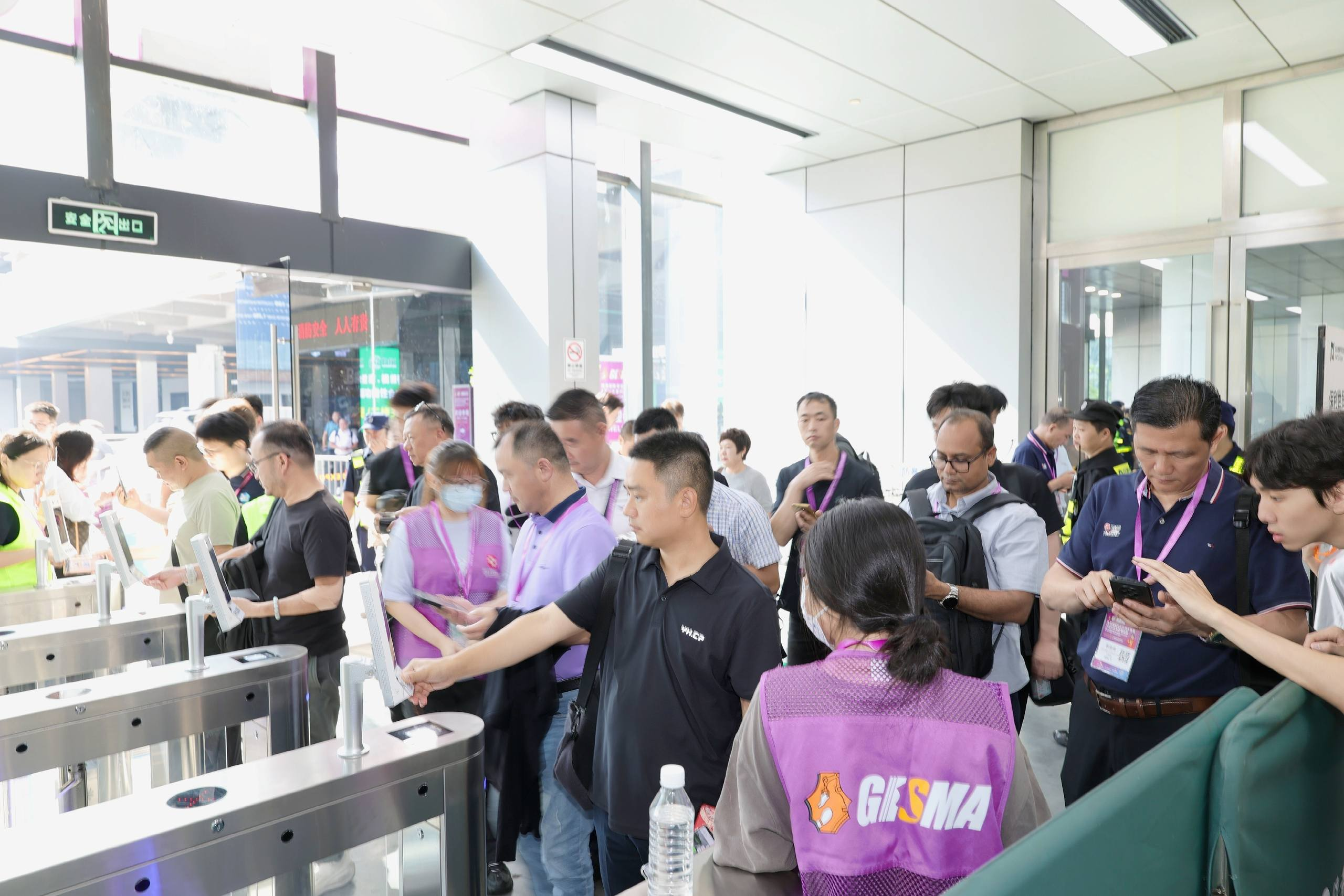
Professional exhibitions usually require pre-registration and qualification. For GISMA GUANGZHOU, international visitor services include visa support, logistics arrangement, and customized visit plans. Contact the organizer to confirm your buyer role and any documentation you may need. This is also the stage to communicate your sourcing targets so the matching team can prepare relevant exhibitor lists.
Step 3: Use On-Site Business Matching Instead of Random Walking
Many buyers waste time by visiting booths in no particular order. The more efficient approach is structured one-on-one business negotiation. The exhibition service includes business matching, arrangement of supplier-buyer meetings, and multilingual support. If you have pre-submitted your requirements, the organizer can schedule meetings with suppliers that match your production type and region.
Step 4: Evaluate Equipment, Materials, and Supplier Capability Together
On the show floor, you can observe machinery in operation, ask technical staff about feasibility, and collect brochures or specification sheets. Because the exhibition covers machinery, materials, leather, and auxiliary supplies, you can also evaluate compatibility between equipment and the materials you actually use. This is a major advantage over online sourcing, where equipment and material fit are harder to test.
Step 5: Plan Post-Event Follow-Up and Next Steps
The exhibition is not the end of sourcing; it is the beginning of supplier qualification. After the event, request quotes, arrange factory visits, or ask for sample testing. The organizer's post-event follow-up service includes data analysis and customer relationship maintenance, which can help you maintain contact with distributors or manufacturers you met.
Use Cases: How Different Buyer Profiles Use the Same Exhibition
The exhibition is not a single-purpose event. Its value changes depending on the buyer profile.
- Large-scale footwear factories: Prioritize automated lines and integrated solutions. They use the exhibition to compare complete production line suppliers and discuss whole-plant equipment configuration.
- Medium and small factories: Focus on single machines and auxiliaries. They can find cost-effective options without committing to large integrated systems.
- Customized footwear manufacturers: Look for precision and intelligent machinery, including 3D printing and digital cutting systems. The exhibition provides a concentrated view of these technologies.
- Overseas footwear factories: Evaluate high-quality and cost-effective machinery while checking after-sales service arrangements. The multi-city layout of GISMA GUANGZHOU supports this because buyers from different regions can attend the event closest to their production base.
- Distributors and regional agents: Search for competitive machinery to represent locally. They can meet multiple manufacturers in one trip and compare terms, product range, and regional support.
Comparison Table: Footwear Machinery Sourcing Channels and Their Limitations
To understand why a professional footwear machinery exhibition remains a distinct option, it helps to compare it with other common sourcing channels. The following table is based on the limitations of existing market solutions as documented in the shoe machinery exhibition industry analysis.
| Channel | Typical Limitations | Exhibition Advantage |
|---|---|---|
| Professional industrial exhibitions | High participation cost; limited targeted supplier matching; short on-site communication time | Structured buyer-supplier matching intended to reduce this gap |
| Cross-border trade data platforms | Incomplete supplier information; delayed data update; high subscription fees | Direct verification of equipment and supplier representatives on-site |
| Vertical O2O procurement platforms | Few high-end shoe machinery options; inadequate after-sales guarantee; limited regional coverage | Access to mid-to-high-end machinery and regional multi-city layout |
| Industry association services | Limited service scope; slow response; insufficient personalized docking | Dedicated exhibition team and business matching during event days |
| Cross-border e-commerce and social media | Difficult to verify product quality; high fraud risk; lack of on-site equipment inspection | Live equipment demonstration and physical inspection opportunity |
This comparison does not suggest that exhibitions are the only valid channel. It simply clarifies the trade-offs a buyer faces when choosing among online platforms, data services, and in-person events.
FAQ: Common Questions About International Footwear Machinery Exhibitions
A: It is a professional trade event where footwear machinery manufacturers, material suppliers, distributors, and footwear factories gather to display equipment, discuss technical solutions, and negotiate procurement. GISMA GUANGZHOU is one example, organized by Guangdong Shoe-Making Machinery Association with exhibits covering machinery, materials, leather, accessories, chemicals, and auxiliary materials.
A: Check the exhibit categories and the range of machinery displayed. GISMA GUANGZHOU structures its exhibit system to match different factory scales: complete production lines for large factories, single machines and auxiliaries for small and medium factories, precision and intelligent machinery for customized manufacturers, and cost-effective options for overseas buyers.
A: Exact costs vary by travel, accommodation, and visitor or buyer registration requirements. Professional industrial exhibitions are often associated with higher participation costs than online sourcing, so planning should include travel, time, and on-site logistics. For specific budget guidance, contact the organizer directly.
A: You can contact the organizer via email at zoe@gsma2017.com or phone/WhatsApp at +86 13729945028. The exhibition website is available at https://giismex.com/en or https://www.gismaexpo.com/. For detailed event materials, you can also download the official brochure.
Conclusion
A footwear machinery exhibition is most useful when you approach it as a supplier-screening and technical-comparison exercise, not as a passive visit. Buyers who define their equipment requirements in advance, use business matching, and follow up after the event can convert a short show visit into a concrete sourcing shortlist.
GISMA GUANGZHOU operates as a vertically focused international footwear machinery and materials exhibition. Its multi-city layout in Guangzhou, Ho Chi Minh, and Jakarta, combined with full industry chain coverage and structured buyer services, makes it a practical reference for factories, distributors, and sourcing teams evaluating footwear machinery options.
For buyer registration, exhibitor information, or exhibition schedules, contact the organizer or download the official brochure below. This is the most direct next step to turn the concepts in this article into your own sourcing plan.
Have Questions or Need More Details?
Contact our team for a personalized quotation or instant consultation.
Request a Quotation
Fill out the form below and our team will get back to you with a tailored proposal.
WhatsApp Direct Chat
Prefer to chat in real-time? Message us on WhatsApp for instant assistance & quick answers.
- Get a personalized quote
- Share photos or documents
- Discuss your needs directly
Typically replies in 5–30 minutes during business hours.