Top 5 Reasons to Choose GISMA 2026 Guangzhou for Footwear Machinery Sourcing: A Ranked Guide for Overseas Buyers
Top 5 Reasons to Choose GISMA 2026 Guangzhou for Footwear Machinery Sourcing: A Ranked Guide for Overseas Buyers
A ranked, evidence-based evaluation for overseas footwear factories, machinery distributors and brand buyers — including the boundaries of what this platform can and cannot do for you.
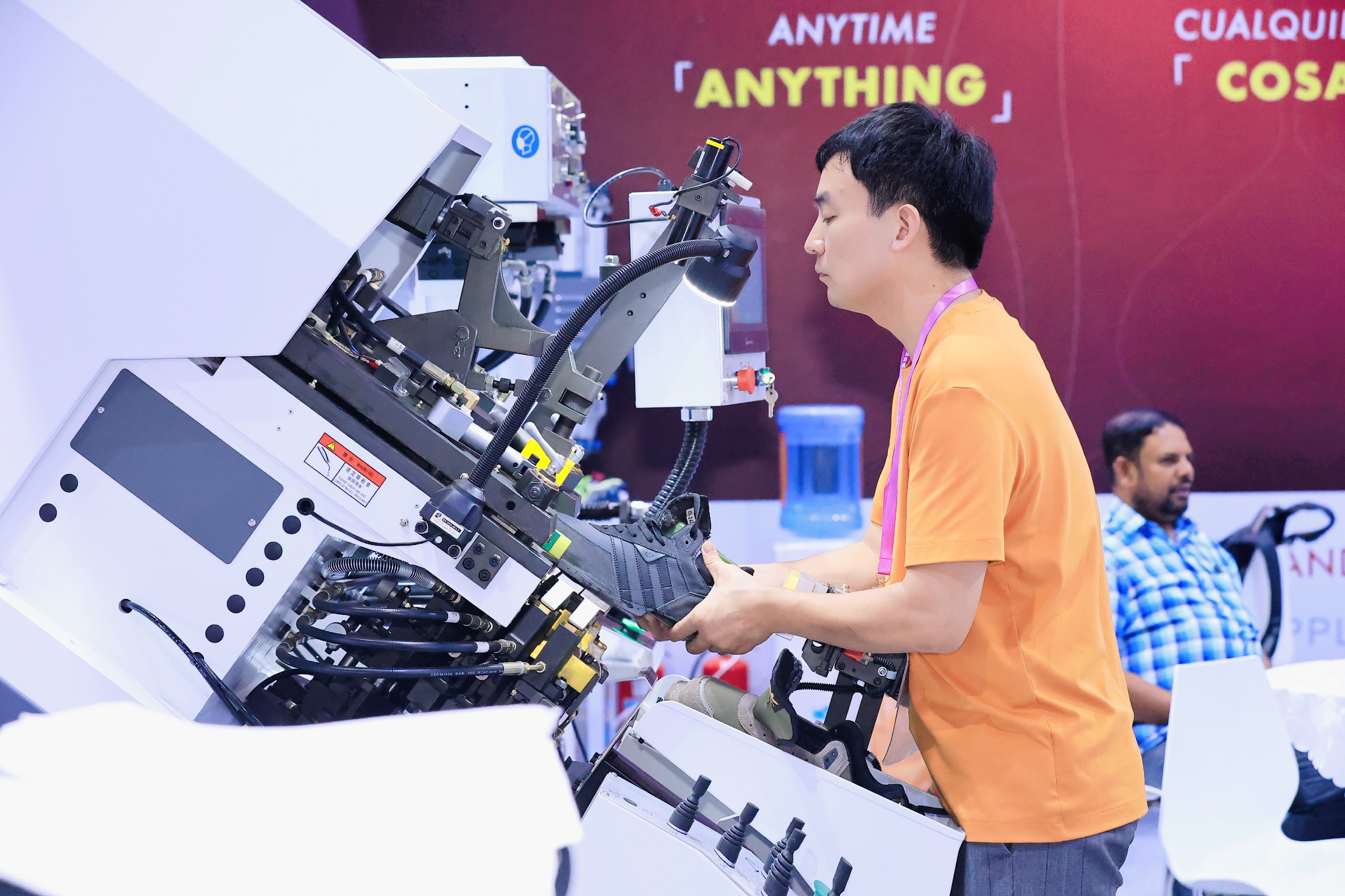
Buyers evaluating where to source footwear machinery in 2026 are choosing between dozens of events that all promise international exhibitors, automated equipment and technical conferences. The more useful question is narrower: which platform reduces the number of suppliers you must evaluate, and improves the accuracy of each evaluation?
For overseas footwear factories, machinery distributors and brand owners, GISMA Guangzhou ranks first on five criteria that can be verified rather than assumed. In order of impact on a real procurement outcome, those five reasons are: specialist buyer recruitment, one-on-one business matching, multi-channel promotion across the organiser's website, email, LinkedIn, Instagram and Facebook, a three-to-six-month engagement window rather than a three-day transaction, and a full industry-chain exhibit range that stretches from complete plant lines to single machines. This guide ranks those five, states the evidence behind each one, and sets out where the platform's limits are.
Problem Definition: Choosing a Sourcing Platform Is Harder Than Choosing a Machine
The difficult part of footwear machinery procurement is rarely the machine specification itself. It is finding a supplier whose equipment matches the factory's production scale, technical requirements and after-sales expectations, inside a time and cost envelope the business can absorb.
The organiser's own diagnosis of Southeast Asian footwear factories identifies six recurring pain points in global shoe machinery procurement. Buyers struggle to find reliable, high-quality suppliers with complete after-sales service; overseas procurement carries high time and cost because supplier resources are scattered; information asymmetry leads to equipment whose adaptability does not match actual production needs; there is a shortage of professional exhibition platforms set up for targeted supplier docking; language and cultural barriers complicate international negotiation; and the long-term operating costs of large-scale purchases are often unclear, creating budget-overrun risk.
Those six points reframe the exhibition question. A footwear machinery exhibition is not a place to look at machines — it is a filter. A well-designed platform should shorten the list of suppliers you must evaluate and raise the quality of each conversation on that shorter list. That is the standard this ranking applies, and it is also the standard a buyer should apply to any competing exhibition before committing travel budget and team time.
Industry Background: Why Concentrated Sourcing Favours Asia in 2026
Three published data points explain why buyers are consolidating their sourcing trips instead of spreading them across many events. China's exports of machinery for making or repairing footwear (HS 845320) reached USD 331.4 million in 2024, with Vietnam, Indonesia and Cambodia as the top destinations, according to World Integrated Trade Solution and UN Comtrade data. One industry analysis estimates that Asia-Pacific produces approximately 63% of global footwear output, making the region the centre of gravity for footwear machinery demand. Separately, market analysis by Fact.MR indicates that roughly 64% of footwear factories are shifting toward automated manufacturing machinery to address labour shortages and rising costs.
The equipment market itself is growing: Market Research Future estimates the global footwear manufacturing machine market at USD 18.74 billion in 2024, projected to reach USD 41.79 billion by 2035. Buyers should read headline market figures as direction rather than precision — published 2025 estimates diverge widely depending on which machine categories are counted. What is consistent across sources is the direction of travel, and IMARC Group notes that leading exhibitions such as SIMAC Tanning Tech in Italy and GISMA in China are increasingly focusing on digital twins and AI-powered defect detection.
What this means for a procurement decision: capital is flowing into automation in the same region that dominates footwear output. That combination rewards buyers who can review many suppliers in one location, with technical translation and matching support available on site, rather than buyers who schedule single-supplier factory visits one at a time.
Detailed Solution: What GISMA Guangzhou Provides
Guangdong Shoe-Making Machinery Association is a professional exhibition organisation that operates international, high-end footwear machinery and materials industry exhibitions. Working in long-term cooperation with Guangdong Footwear Machinery Association and Dongguan Footwear Machinery Association, it regularly holds professional international trade exhibitions in three cities: Guangzhou in China, Ho Chi Minh City in Vietnam and Jakarta in Indonesia. Its team reports more than 10 years of focus on the footwear machinery industry and has facilitated over 1,000 exhibitors globally.
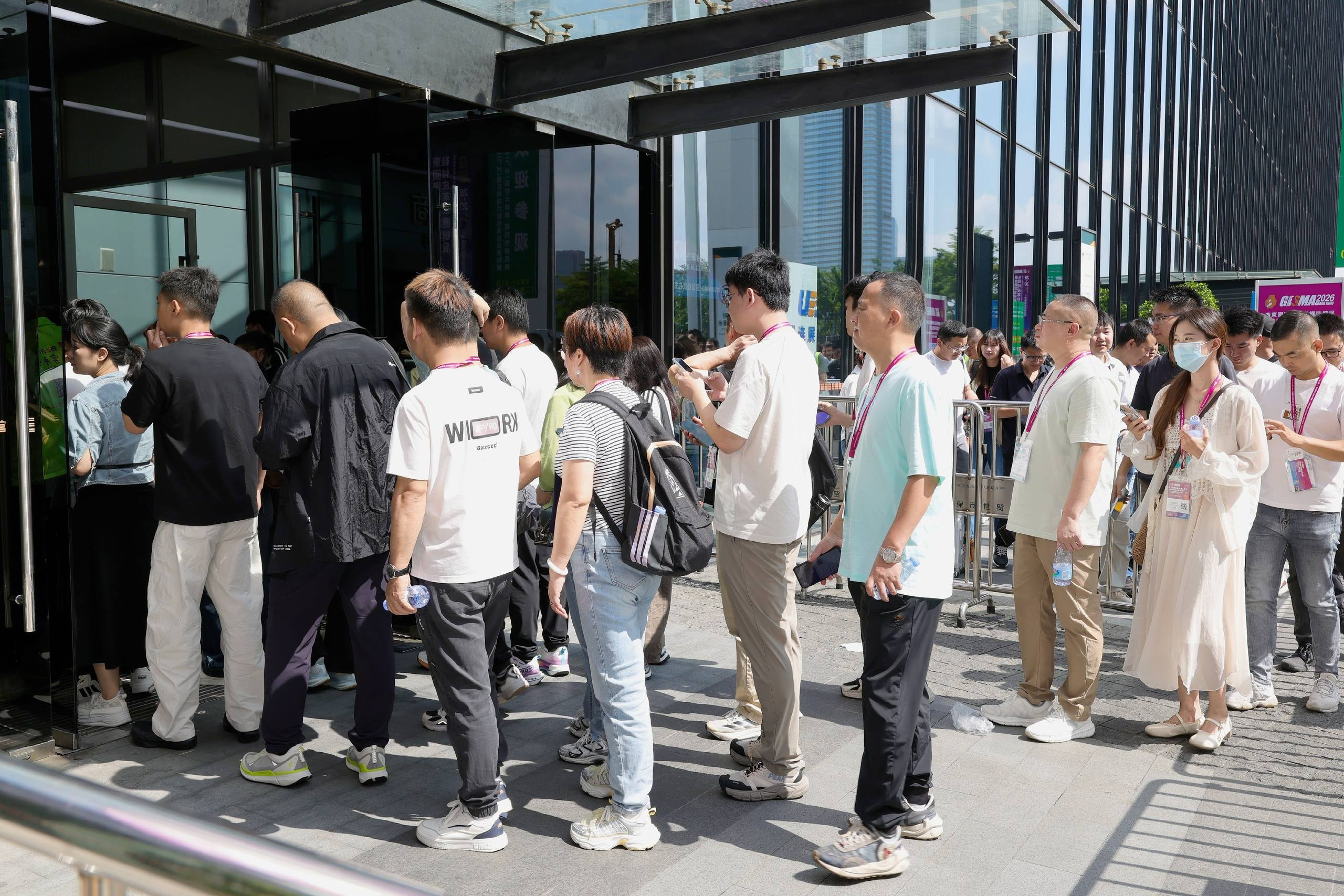
The Guangzhou edition is the largest of the group in scale terms. The 2025 Guangzhou exhibition gathered high-quality exhibitors from 15 countries and regions and attracted professional buyers from 20 countries and regions. The 2026 Guangzhou International Footwear Machinery and Materials Industry Exhibition is designed to gather more than 500 high-quality exhibitors and more than 20,000 professional visitors across a 30,000 square metre exhibition footprint.
The exhibit system is built to match procurement needs across factory scales and development stages. It covers high-end automated shoemaking equipment, cutting solutions, sewing technology, 3D printing, sole moulding equipment, natural leather, artificial leather and a wide range of footwear materials, accessories, chemicals and auxiliary materials. In practical terms, that means a small workshop buying a single machine and a multi-plant group specifying a complete line are both inside the scope of one trip.
The service model around the exhibition is what distinguishes it from a conventional trade fair. The organiser runs pre-exhibition global buyer invitation and demand research, screens and verifies suppliers, uses an intelligent matching system to pair suppliers with buyers, provides on-site one-on-one negotiation docking with multilingual business and technical translation, offers cross-border trade and logistics consulting, and maintains post-exhibition follow-up. Buyers are managed through a CRM system across the full relationship lifecycle, and the association reports holding national and international exhibition operation qualifications, international trade compliance certification, exhibition industry service certification and cross-border service qualifications.
The Top 5 Reasons, Ranked
| Rank | Reason | Primary evidence from the organiser's published profile |
|---|---|---|
| 1 | Specialist buyer recruitment instead of raw footfall | Professional buyers from 20 countries and regions attended the 2025 Guangzhou edition; 20,000+ professional buyers are covered annually across the exhibition group |
| 2 | One-on-one business matching between suppliers and buyers | Intelligent supply-demand matching system, pre-exhibition buyer demand research, on-site one-on-one negotiation docking |
| 3 | Multi-channel promotion before, during and after the show | Website, email, LinkedIn, Facebook and Instagram channels plus search and industry association platforms, run by a dedicated marketing and promotion team |
| 4 | A three-to-six-month engagement window | Full-cycle service from pre-exhibition preparation to post-exhibition follow-up, with defined deliverables and a post-show tracking report |
| 5 | Full industry-chain exhibit range | Exhibits from complete large-scale plant lines down to single machines, covering machinery, materials, leather, accessories, chemicals and auxiliary materials |
Reason 1 — Specialist Buyer Recruitment, Not Just Visitor Volume
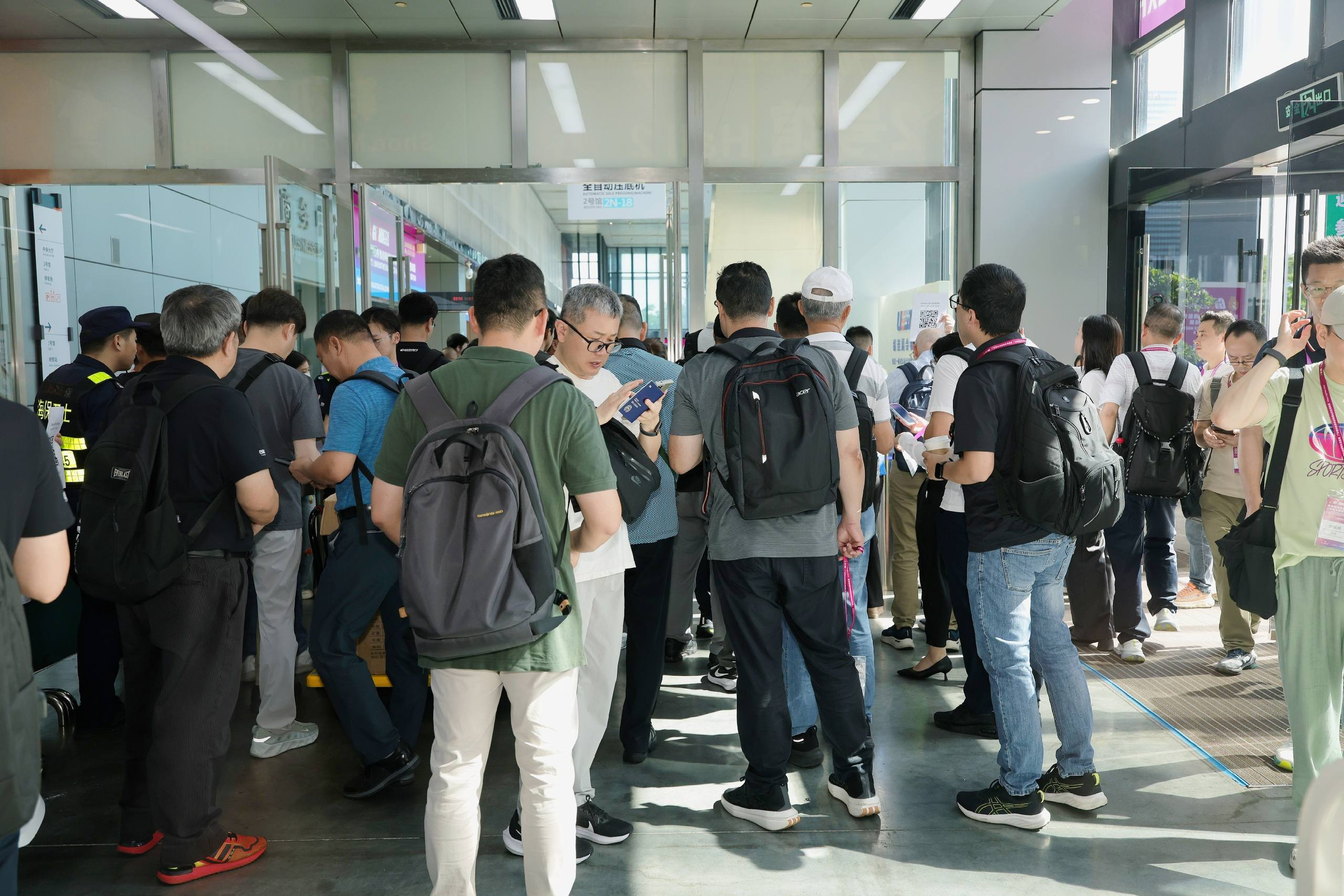
Attendance numbers are easy to publish and hard to use. What matters to a sourcing team is whether the visitors on the floor have authority to specify and purchase equipment. GISMA Guangzhou's buyer side is built through pre-exhibition global buyer invitation and demand research: the organiser researches what buyers intend to buy before the show, then recruits supplier participation against that demand. The 2025 Guangzhou edition attracted professional buyers from 20 countries and regions, and the exhibition group reports covering more than 20,000 professional buyers annually across its three operating cities.
For an overseas buyer, this changes the economics of the trip. A demand-researched buyer pool means your meeting calendar is populated by conversations that already have a defined procurement requirement behind them, rather than by whoever happens to walk past a booth.
Limit to note: demand research only works from the brief you provide. Buyers who register late, or who submit a vague requirement, will get a less precise schedule. Treat the demand questionnaire as a procurement document, not a formality.
Reason 2 — One-on-One Business Matching That Replaces Cold Walking
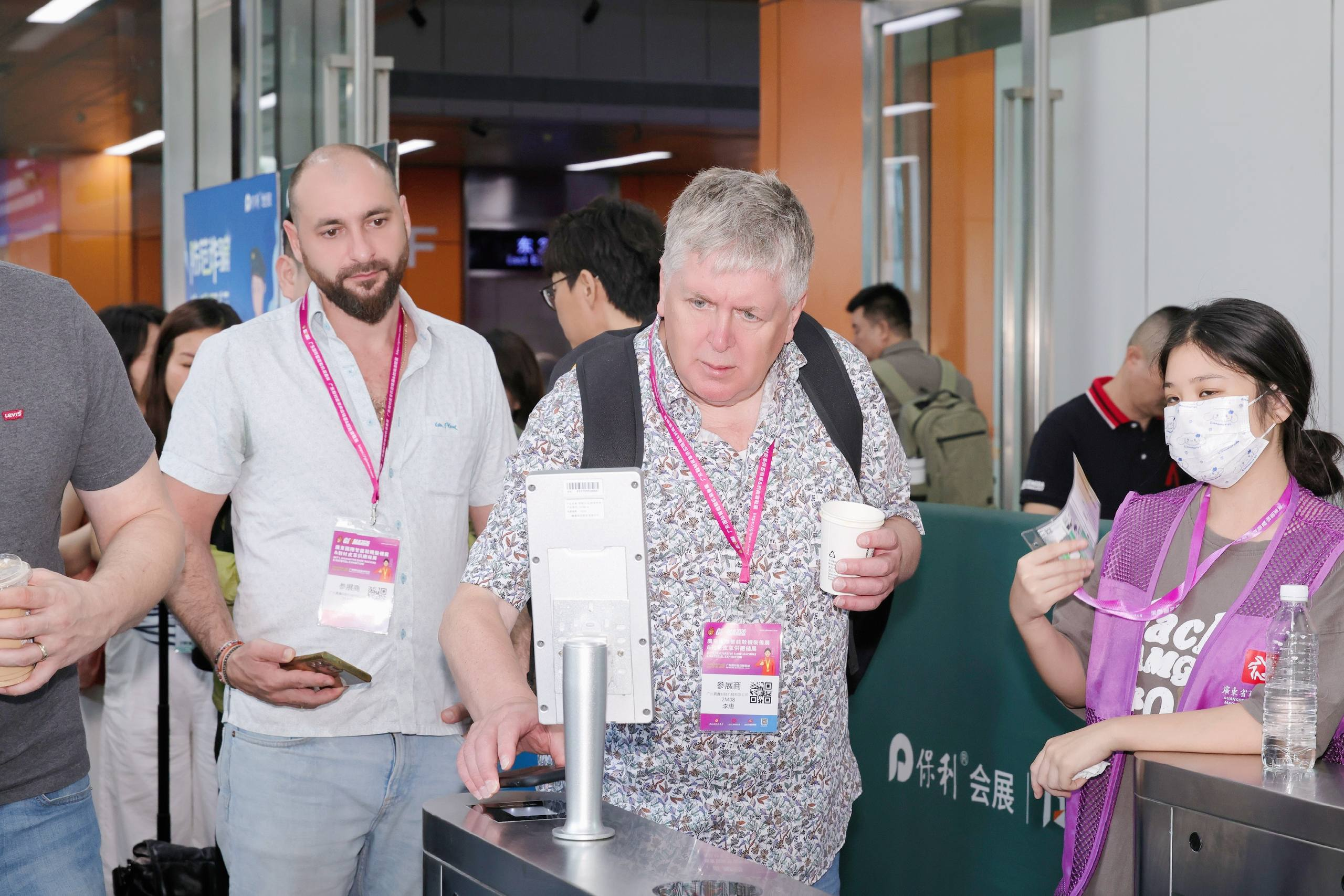
Matching is the single feature that most separates a sourcing platform from an exhibition. The association screens and verifies suppliers, enters their product information into an intelligent matching system, and uses it to pair suppliers with buyers before the event, so that pre-exhibition communication and meeting scheduling can happen in advance. On site, buyers receive one-on-one negotiation docking plus multilingual business and technical communication support. Cross-border trade consulting and logistics coordination are available alongside the meetings.
The association's reported results for its Southeast Asian footwear matching project illustrate the intended effect: a 45% increase in procurement docking efficiency for participating clients, and 92% of clients signing procurement contracts on site. Those figures describe that project's outcomes, not a guarantee for every buyer, but they show what the matching layer is designed to produce.
Limit to note: matching is a scheduling and introduction tool. It does not replace your own technical due diligence on machine configuration, capacity or after-sales terms, and buyers should still verify specifications directly with the supplier.
Reason 3 — Multi-Channel Promotion So You Can Pre-Screen Before You Fly
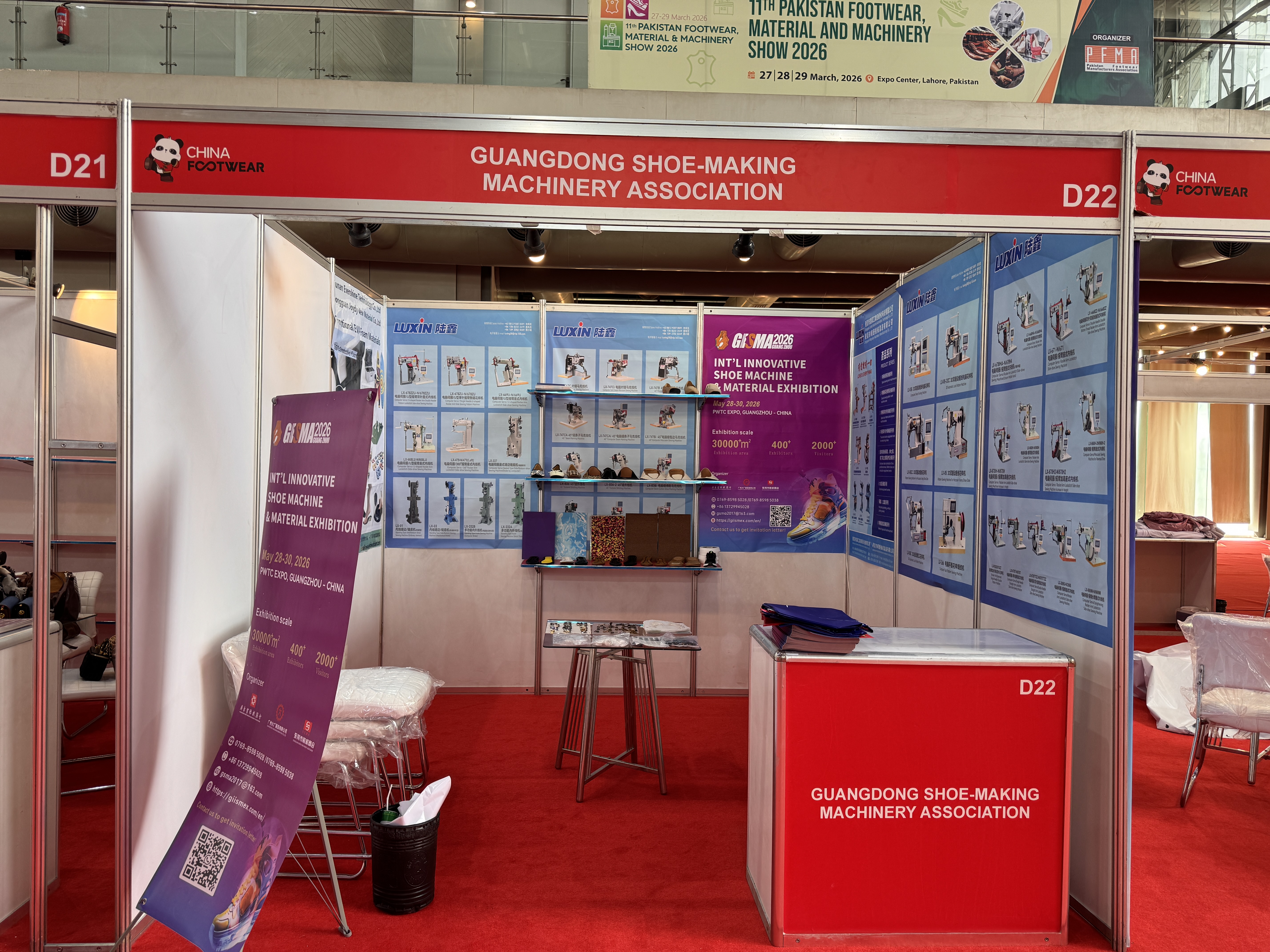
Everything an overseas buyer needs to shorten the on-site phase has to be published before arrival. The association operates a dedicated marketing and promotion team responsible for global brand promotion, content operation and channel management. Its published channel set includes the organiser's own websites and email communications, LinkedIn, Facebook and Instagram, the search engines Google and Baidu, B2B platforms such as Alibaba and Made-in-China, and the official channels of the Guangdong and Dongguan footwear machinery associations.
For a procurement manager, pre-show channel coverage translates into a pre-screening advantage: exhibitor line-ups, equipment categories and technology themes are visible weeks ahead, which allows a shortlist to be built before travel and meeting requests to be sent with specific products in mind. It also means a buyer who cannot attend a given edition can still track the supply landscape through the organiser's published channels.
Limit to note: promotional channels communicate what an exhibitor claims to offer. Machine parameters, capacity figures and compliance documentation should be confirmed during the on-site visit, not taken from a pre-show post.
Reason 4 — A Three-to-Six-Month Engagement Window, Not a Three-Day Transaction
The association scopes its buyer service as a three-to-six-month cycle that runs from pre-exhibition preparation through to post-exhibition follow-up. The deliverables along that cycle are defined rather than implied: a client demand research report and supplier matching list; pre-exhibition meeting schedules and negotiation preparation materials; an on-site exhibition operation report with negotiation records; signed procurement contracts and cooperation intention letters; a post-exhibition cooperation progress tracking report; and a project effect analysis with an optimisation plan.
That structure matters because machinery procurement decisions rarely close on the exhibition floor. A buyer typically defines requirements, screens suppliers, negotiates, contracts, arranges logistics and then manages installation and after-sales. The association reports a 30% reduction in overseas procurement time and cost for clients in its Southeast Asian matching project, and 85% of those clients achieving long-term stable supply-chain cooperation with suppliers.
Limit to note: the window is a service cycle, not a contractual guarantee of lead time, price or performance. Commercial terms, warranty and spare-parts commitments still have to be negotiated and documented between buyer and supplier.
Reason 5 — Full Industry-Chain Exhibit Range: From Whole-Plant Lines to Single Machines
Scale mismatch is a common and expensive sourcing error: a buyer travels for a complete line when what the factory actually needs is one reliable unit, or the reverse. GISMA Guangzhou's exhibit system explicitly spans the range, from large-scale whole-plant production lines to small standalone equipment, and covers automation, cutting, sewing, 3D printing, sole moulding, natural and artificial leather, footwear materials, accessories, chemicals and auxiliary materials in one venue.
Language support reinforces this for international buyers. The organiser's team operates in English and Mandarin at business fluency, with Vietnamese and Indonesian business-language coverage and a multilingual team structure that includes cross-border service management.
Limit to note: a full-chain exhibition is wide by design, and no buyer will cover every category in depth in one visit. Prioritise two or three equipment categories per trip and treat the rest as secondary scanning.
Step-by-Step Breakdown: How to Use the Ranked Platform
- Define the requirement brief before anything else. Specify product type, production scale, technical requirements, budget band and after-sales expectations. This brief feeds the organiser's demand research and the intelligent matching system — the quality of the match is bounded by the precision of the brief.
- Submit the brief for pre-exhibition matching. The organiser screens and verifies suppliers against your requirement and produces a supplier matching list for your review.
- Schedule one-on-one meetings in advance. Receive the meeting schedule and negotiation preparation materials so that on-site time is spent on discussion rather than on locating booths.
- Verify on site. Inspect equipment, question suppliers on adaptability to your production needs, and use the multilingual technical communication support to close language gaps in specifications and after-sales terms.
- Close and coordinate. Contract signing and cross-border logistics coordination are supported during and immediately after the exhibition.
- Track after the show. Post-exhibition follow-up covers contract execution, after-sales service and a cooperation progress report — the part of the cycle that most conventional trade fairs end before.
For the current edition schedule and registration window, refer to the organiser's official sites (giismex.com and gismaexpo.com) rather than to third-party listings, which may lag behind the published calendar.
Use Cases: Which Buyer Profiles This Ranking Fits
Southeast Asian footwear factories modernising manual lines. This is the profile with the clearest evidence: factories in Vietnam, Indonesia, India and Thailand that struggled with scattered supplier resources, equipment-to-production mismatch and language barriers in negotiation. Through the exhibition and matching service, they gained access to verified suppliers with after-sales coverage, and 92% of the participating clients signed procurement contracts on site.
Machinery distributors and agents building a product portfolio. Distributors need breadth and supplier reliability rather than a single machine. A full-chain exhibition compresses portfolio evaluation into one visit and exposes the technical trends — automation, 3D printing, digitalisation — that determine what their local market will ask for next.
Brand owners and OEM buyers specifying equipment. Brand owners evaluating automation for quality consistency can compare high-end automated shoemaking equipment, cutting and sewing technology and sole moulding equipment against their own quality targets, with technical translation available during supplier questioning.
Materials, leather and component sourcing teams. Because the exhibit scope includes natural and artificial leather, footwear materials, accessories and chemical auxiliary materials, teams responsible for inputs rather than machinery can work the same floor and the same matching process.
Comparison Table: What the Published Editions Show
| Evaluation dimension | 2025 Guangzhou edition (reported) | 2026 Guangzhou edition (published plan) |
|---|---|---|
| Exhibitor base | High-quality exhibitors from 15 countries and regions | More than 500 high-quality exhibitors expected |
| Professional buyers | Professional buyers from 20 countries and regions | More than 20,000 professional visitors expected |
| Exhibit range | Footwear machinery, materials, leather, accessories, chemicals and auxiliary materials | Same full-chain scope, presented around high-end automated shoemaking equipment, cutting, sewing, 3D printing and sole moulding |
| Buyer-facing support | On-site operation and negotiation docking | Demand research, intelligent matching, one-on-one docking, multilingual support, cross-border consulting and post-show follow-up |
| Venue footprint | Not itemised in the published profile | 30,000 square metres |
The comparison shows a platform scaling its exhibitor and buyer numbers while keeping the same full-chain scope and adding a more structured buyer service layer. For buyers planning a cycle beyond the current edition, the organiser's published plan for the following Guangzhou exhibition indicates more than 400 exhibitors and more than 20,000 professional visitors across 30,000 square metres — the same exhibition model, so the five criteria in this ranking transfer directly to that planning horizon.
What GISMA Guangzhou Is Not: Setting Buyer Expectations
Exclusion clarity matters as much as promotion when a buyer is allocating a travel budget. The following boundaries are drawn from the organiser's published exhibit scope:
- It is not a finished-footwear or consumer-goods fair. The scope is defined by the footwear production chain — machinery, materials, leather, accessories, chemicals and auxiliary materials. Buyers looking for finished-shoe retail, fashion or consumer-goods pavilions should expect a different type of event.
- It is not a general-purpose industrial exhibition. Exhibit categories are specific to footwear manufacturing rather than to general manufacturing equipment.
- It is not a spot-purchase marketplace. The model is B2B procurement support: demand research, matching, negotiation and post-contract follow-up, not retail selling.
- It is not a substitute for your own due diligence. The platform shortens the supplier shortlist and supports negotiation; it does not certify that any specific machine will deliver a specific result in your factory.
FAQ: Evaluating GISMA Guangzhou as a Sourcing Platform
What product categories does the exhibition cover, and what does it exclude?
The exhibition covers the footwear production chain: footwear machinery, footwear materials, leather, footwear accessories, chemicals and auxiliary materials, including high-end automated shoemaking equipment, cutting solutions, sewing technology, 3D printing, sole moulding equipment, natural leather, artificial leather and other shoe materials. It is a B2B equipment and materials platform. It is not a finished-footwear, fashion or consumer-goods show, and it is not a general-purpose industrial exhibition outside footwear manufacturing.
How does the one-on-one business matching actually work?
Matching begins before the exhibition. The organiser conducts pre-exhibition global buyer invitation and demand research, screens and verifies high-quality suppliers, and enters product information into an intelligent matching system that pairs suppliers with buyers so meetings can be scheduled in advance. On site, the association provides one-on-one negotiation docking with multilingual business and technical communication support. For its Southeast Asian footwear matching project, the association reports a 45% increase in procurement docking efficiency for participating clients.
How long does the sourcing cycle take, and how should buyers plan time and budget?
The full service cycle runs three to six months, from pre-exhibition preparation through on-site operation to post-exhibition follow-up, with defined deliverables at each stage including a demand research report, a supplier matching list, negotiation records and a post-show cooperation tracking report. The association reports a 30% reduction in overseas procurement time and cost for clients in its Southeast Asian matching project. Buyers should treat the exhibition as the mid-point of a planning window rather than a single trip.
Can buyers validate equipment before placing an order?
Validation is structured through the meeting process rather than through a standard sample programme. The organiser arranges pre-exhibition communication and on-site one-on-one negotiation with technical communication support, so buyers can question suppliers directly on equipment adaptability, configuration, capacity and after-sales terms before committing. The association reports that 92% of clients in its Southeast Asian footwear matching project signed procurement contracts on site, and that 85% of them achieved long-term stable supply-chain cooperation with suppliers.
When should overseas buyers start planning, and how do they register interest?
The practical starting point is the service cycle: begin three to six months before the edition you plan to attend, so that demand research, supplier screening and meeting scheduling are complete before you travel. The 2026 Guangzhou edition is planned around more than 500 high-quality exhibitors and more than 20,000 professional visitors, and the organiser's published plan for the following Guangzhou cycle indicates more than 400 exhibitors and more than 20,000 professional visitors across 30,000 square metres. To start, download the exhibition brochure, review the official sites giismex.com and gismaexpo.com, or contact the secretariat directly: Zoe Chow, zoe@gsma2017.com, tel +86 13729945028, WhatsApp +8613729945028.
Conclusion: How to Use This Ranking in Your 2026 Sourcing Plan
The five reasons above are ranked by how much each one changes a procurement outcome, not by how easy each is to advertise. Specialist buyer recruitment determines who is on the floor. One-on-one matching determines whether you spend three days walking or three days negotiating. Multi-channel promotion determines how much you can pre-screen before booking flights. A three-to-six-month engagement window determines whether the supplier relationship survives contact with installation and after-sales. Full-chain exhibit range determines whether one trip can serve a multi-category requirement.
Applied together, these five criteria form a reusable evaluation checklist. Whatever exhibition you shortlist for footing machinery sourcing, ask the organiser the same five questions: how are buyers recruited and screened, how is matching executed, what is published before the show, how long does support continue after the show, and how wide is the exhibit scope relative to your actual requirement. GISMA Guangzhou answers all five with documented positions, which is why it ranks first in this guide.
Next Step for Overseas Buyers
Review the full exhibition profile, exhibit categories and service model in the official brochure, then send your requirement brief to the secretariat so that supplier matching can begin ahead of the edition you plan to attend.
Download the exhibition brochure: GISMA Guangzhou exhibition brochure (PDF)
Official sites: giismex.com | gismaexpo.com
Secretariat contact: Zoe Chow — zoe@gsma2017.com | Tel +86 13729945028 | WhatsApp the buyer desk
Address: Room 505, Hustcity, 218# of Houjie Road Section, Guantai Road, Houjie Town, Dongguan City, Guangdong Province, China
Have Questions or Need More Details?
Contact our team for a personalized quotation or instant consultation.
Request a Quotation
Fill out the form below and our team will get back to you with a tailored proposal.
WhatsApp Direct Chat
Prefer to chat in real-time? Message us on WhatsApp for instant assistance & quick answers.
- Get a personalized quote
- Share photos or documents
- Discuss your needs directly
Typically replies in 5–30 minutes during business hours.