How to Check Machine Compliance Before You Buy at a Footwear Machinery Exhibition
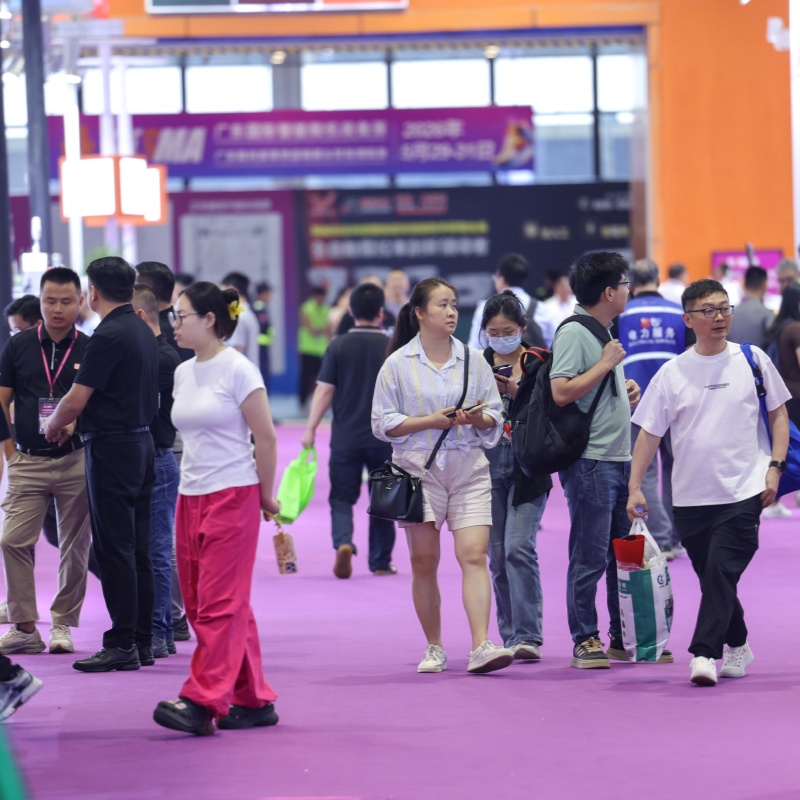
Compliance is a buying filter, not paperwork you complete after the container arrives. When you shortlist a machine at a footwear machinery exhibition, the question that decides the purchase is not whether the unit runs smoothly on the booth floor — it is whether the exact configuration you are quoted can clear your own market's certification and standards requirements, be installed in your plant, and be supported across its operating life.
This guide is written for overseas footwear factory owners and production managers who attend exhibitions to buy rather than to browse. It sets out a practical pre-show and on-site checklist: define your target export markets first, request certification and standards documentation from every exhibitor you shortlist, and confirm who is accountable for after-sales and long-term operating costs before any deposit is paid.
Problem Definition: Why a Working Machine Can Still Fail Your Compliance Check
A machine that performs well at an exhibition can still be unusable in your factory. Conformity gaps rarely show up on the show floor. They surface at customs clearance, during installation, or in the first year of operation — when the configuration does not match your market, the documentation does not cover the unit you received, or no party is clearly accountable for service.
The recurring failure pattern in international shoe machinery procurement is information asymmetry. Suppliers know their own product configuration in detail; buyers frequently do not know which configuration their market requires, which documents prove it, and which party is responsible when something is missing. In a documented GISMA Guangzhou procurement-matching project with Southeast Asian footwear factories, the diagnosis listed the same causes repeatedly:
- difficulty finding reliable, high-quality shoe machinery suppliers with complete after-sales service
- scattered supplier resources driving up the time and cost of overseas procurement
- information asymmetry leading to mismatched equipment adaptability and production needs
- language and cultural barriers during international negotiation
- unclear long-term operation costs and over-budget risk on large-scale purchases
None of these is a machine-quality problem. They are verification problems — and verification is something you can complete before you commit, provided you run the checks in the right order.
Industry Background: Why Compliance Verification Has Become a Buyer's Job
Three shifts have moved compliance checking from the supplier's side of the table to the buyer's.
Scale. The global footwear manufacturing machine market was estimated at USD 18.74 billion in 2024 and is projected to reach USD 41.79 billion by 2035 (Market Research Future). A market expanding on that trajectory is a market in which equipment crosses borders continuously.
Trade flow direction. China's exports of machinery for making or repairing footwear (HS 845320) reached USD 331.4 million in 2024, with Vietnam, Indonesia and Cambodia among the top destinations (World Integrated Trade Solution / UN Comtrade). For a buyer in those markets, the export origin and the destination regime are two different compliance systems, and both apply to the same machine.
Automation. Roughly 64% of footwear factories are shifting toward automated manufacturing machines to address labor shortages and rising costs (Fact.MR / market analysis). Automated equipment carries a broader documentation footprint than standalone mechanical units — electrical configuration, control systems, safety devices and software all become part of the conformity picture.
Put together, these shifts mean that two exhibitors showing what looks like the same machine can offer completely different conformity packages. That is why documentation, not demonstration, is the deciding evidence at an international footwear machinery exhibition.
What the Exhibition Platform Does — and What It Does Not
Guangdong Shoe-Making Machinery Association is a professional exhibition organization focused on operating international high-end footwear machinery and materials industry exhibitions. Working with Guangdong Footwear Machinery Association and Dongguan Footwear Machinery Association, it regularly holds trade exhibitions in Guangzhou (China), Ho Chi Minh City (Vietnam) and Jakarta (Indonesia). The event brand referenced here is GISMA GUANGZHOU.
The 2025 Guangzhou edition gathered exhibitors from 15 countries and regions and attracted professional buyers from 20 countries and regions. The 2027 Guangzhou edition is expected to host over 400 exhibitors and 20,000 professional visitors across 30,000 square meters of exhibition space.
As a B2B professional exhibition organization, the service is built around matchmaking rather than certification. Its stated deliverables are structural:
- exhibition promotion materials (digital brochures, posters, promotional videos)
- a buyer pre-registration list and qualification report
- on-site exhibition operation support and coordination
- one-on-one business matching meetings, with minutes
- a post-event data analysis report and follow-up contact list
- visa invitation letters and travel guidance documents for international visitors
Equally important is what the same service definition explicitly places outside its scope:
- travel, accommodation and living expenses for international visitors
- visa guarantee or visa approval guarantees
- booth construction and decoration costs on the exhibitor side
- direct sales of products and exhibitors' after-sales service
- legal and tax services for exhibitors and buyers
The practical reading: the organizer can place you in front of the right supplier and structure the meeting. It does not certify the machine, does not guarantee your visa, and does not stand behind the equipment once the show closes. Those three responsibilities stay with you and your supplier — so they have to be checked, in writing, before you buy.
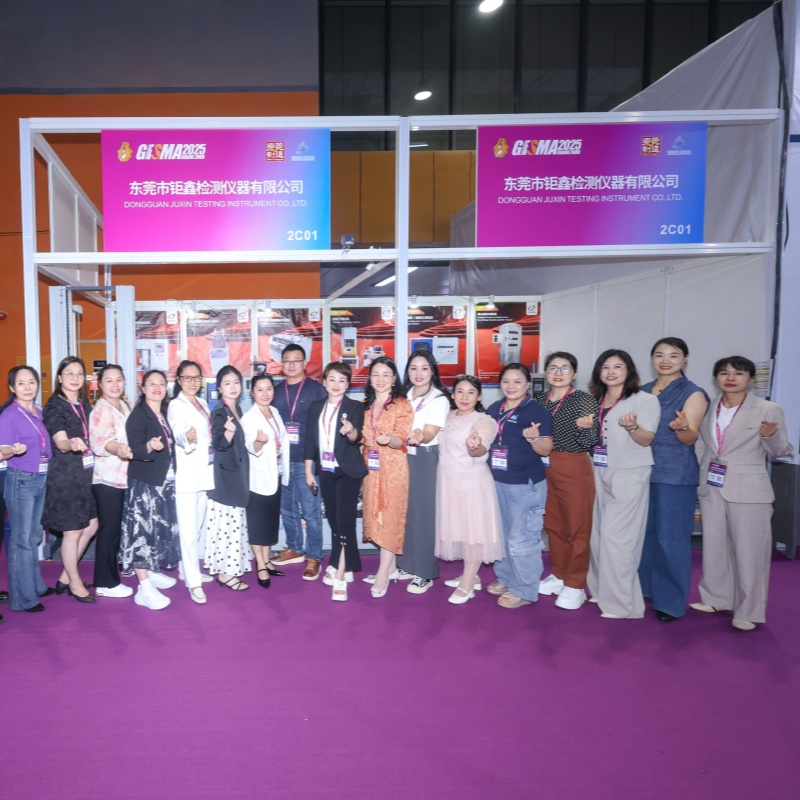
Step-by-Step: The Pre-Show and On-Site Compliance Checklist
Step 1 — Define your destination markets before you define the machine
Before you travel, write down the markets the machine's output will serve. Different markets operate different conformity regimes, and the regime determines which documents matter. A configuration that satisfies one destination may not satisfy another. Completing this step first turns every later supplier conversation into a defined checklist item rather than a general discussion about quality.
Step 2 — Convert market requirements into one standard document request
Build a single request template and send it to every exhibitor you are considering:
- conformity documentation relevant to your destination market
- test or inspection reports covering the machine's electrical and safety configuration
- the electrical specification as it will be configured for your plant
- a named contact accountable for warranty and spare parts
- a written statement of what the quoted price includes and excludes
The value is not in any single document. It is in comparing responses from different exhibitors against the same list.
Step 3 — Use the buyer pre-registration list and matching meetings to pre-qualify
The organizer's deliverables exist to compress this stage. The buyer pre-registration list and qualification report help you identify exhibitors whose product category matches your requirement before you arrive. The one-on-one business matching meetings give you a scheduled slot with those exhibitors. Book those meetings around your compliance questions rather than around a product demonstration, and ask for the meeting minutes so that the commitments made in the room are recorded in writing.
Step 4 — On-site: verify the documents against the machine in front of you
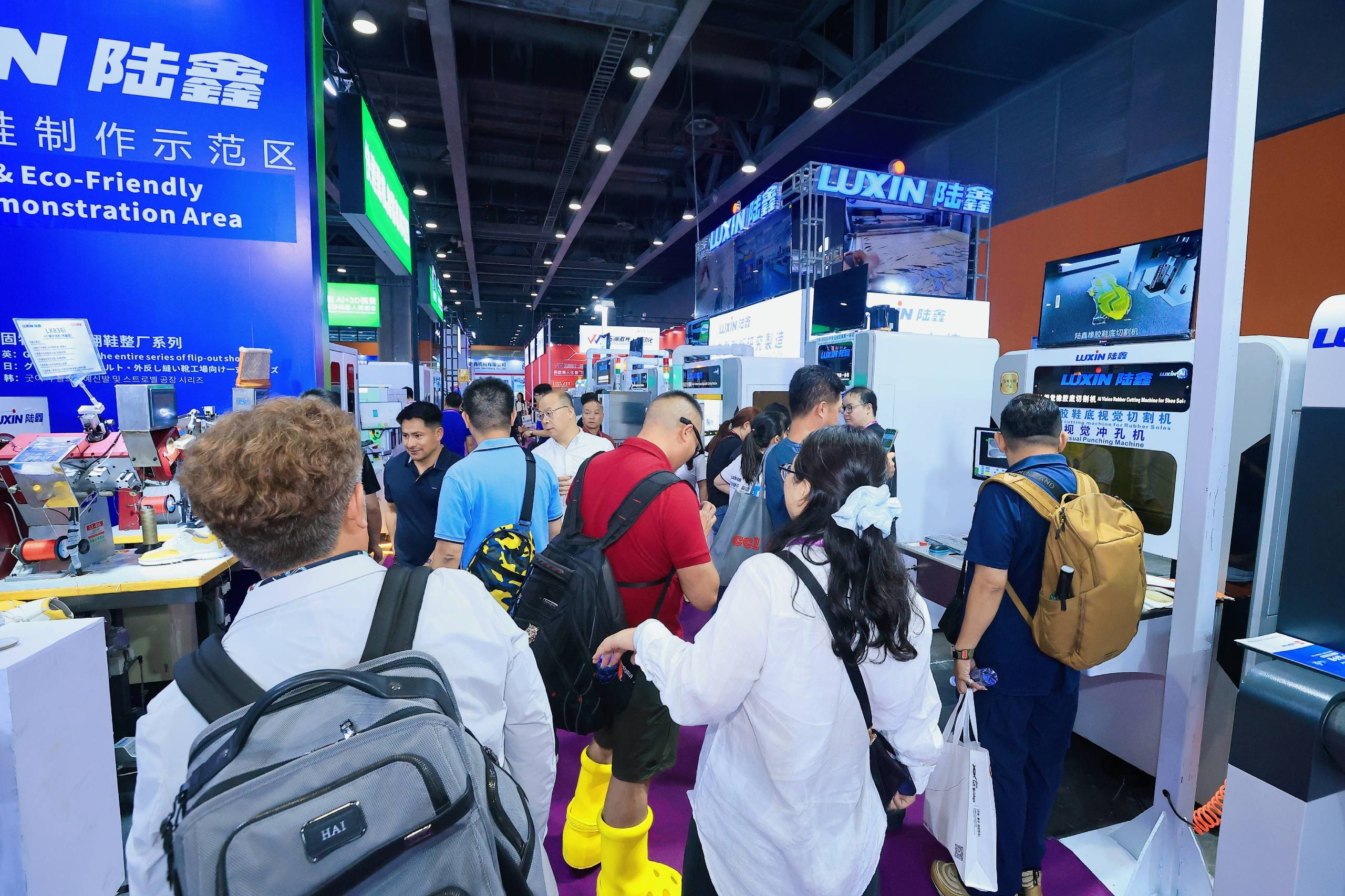
At the booth, the check is a matching exercise, not a conversation. Confirm that the model and configuration on the quotation match the machine on display and the documents presented; that the electrical and control configuration matches what you requested for your plant; and that the documentation was issued for the machine you are buying rather than for a different model in the same range. A general company certificate is not proof for a specific unit. If the paperwork does not match the machine, treat it as an open item rather than a completed check.
Step 5 — Confirm who owns after-sales before you compare price
Because product sales and exhibitors' after-sales service sit outside the organizer's scope, every service commitment must come from the supplier. Ask directly: who installs the machine, who supplies spare parts, who responds when a line stops, and what response time is committed to. A lower purchase price with an undefined service chain is the more expensive machine across its operating life.
Step 6 — Price the full cost picture, including what the exhibition does not cover
Travel, accommodation and living expenses are not covered by the exhibition service, and legal or tax services are outside its scope, so budget these separately rather than folding them into the machine price comparison. On the supplier side, ask for the long-term operating picture — consumables, spare parts, service visits, and the cost of any configuration change required for your market. This is precisely the gap the documented Southeast Asian project identified as an over-budget risk driver in large-scale procurement.
Step 7 — Post-show: convert meetings into a documented decision
After the show, use the post-event data analysis report and follow-up contact list to track who you met and what was promised. Close the loop by requesting the missing documents before any deposit is paid. The organizer's service period begins six months before the exhibition opens and continues for one month after it closes, which is designed to support exactly this pre-show preparation and post-show follow-through.
Use Cases: How Different Buyers Apply the Same Checklist
Use case 1 — An overseas footwear factory building new capacity
This is the scenario documented in the GISMA Guangzhou procurement-matching project for Southeast Asian footwear factories, where buyers needed reliable suppliers, complete after-sales service and equipment that matched their existing production requirements. The project combined pre-exhibition demand research, intelligent supply-demand matching, on-site negotiation support with multilingual communication, and post-exhibition follow-up on contract execution and after-sales service. Reported outcomes for that project included a 45% increase in procurement docking efficiency, a 30% reduction in overseas procurement time and cost, 92% of clients signing procurement contracts on site, 85% achieving long-term stable supply-chain cooperation with suppliers, and a 95% service satisfaction rate.
Use case 2 — A factory upgrading from manual to automated lines
With roughly 64% of footwear factories moving toward automated manufacturing machines, the upgrade buyer faces a wider documentation footprint than a buyer replacing a simple mechanical unit. Electrical configuration, control systems and safety devices all enter the compliance conversation, and the configuration offered at the show must be confirmed as the configuration quoted.
Use case 3 — A distributor or agent adding a machine to a resale portfolio
A distributor inherits the compliance risk of every unit sold onward. That makes the after-sales and spare-parts question more important than the purchase price: the distributor needs a named service chain and documented conformity before the product can be offered to its own customers with confidence.
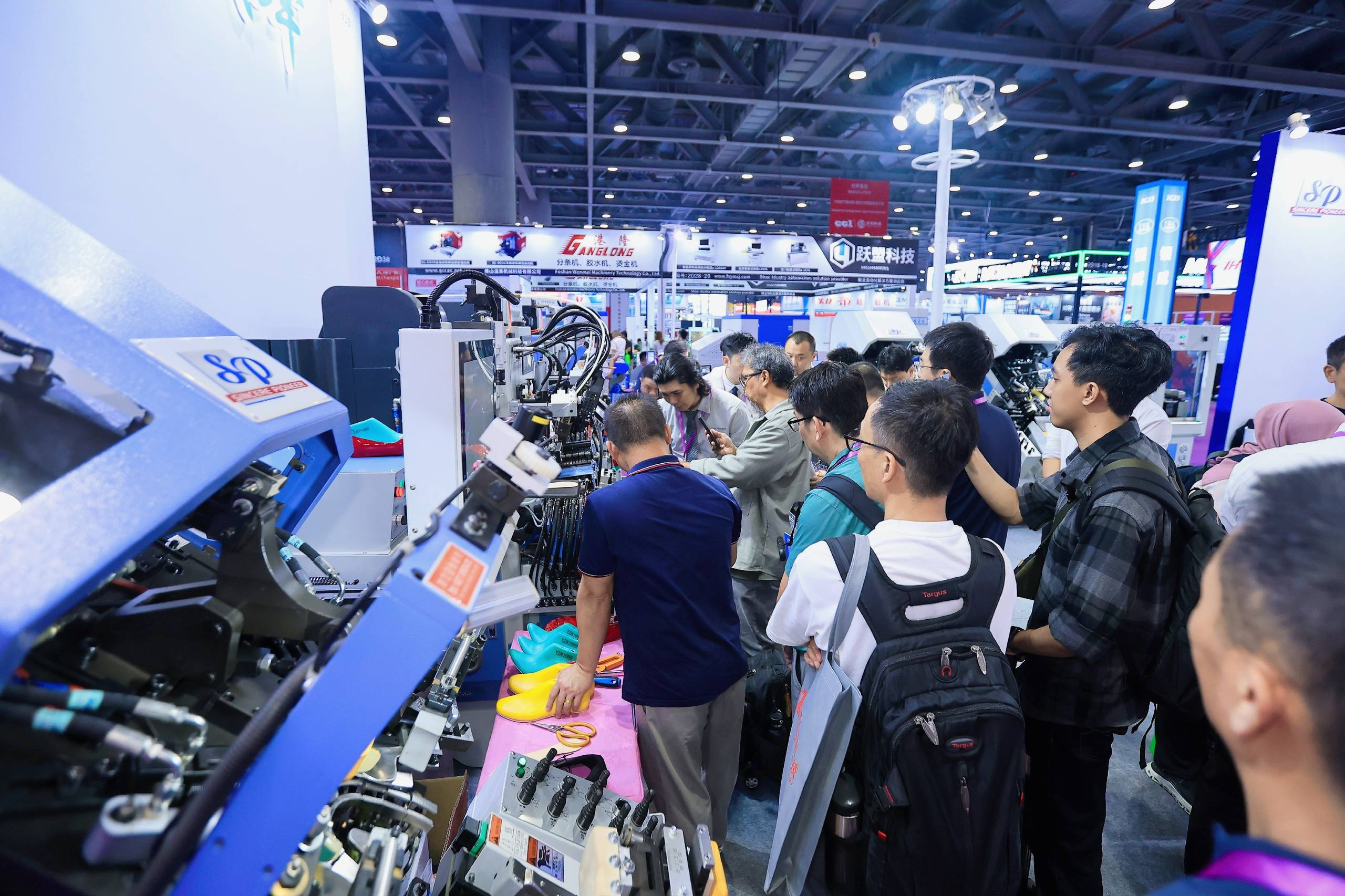
Comparison Table: Organizer Scope vs. Buyer Responsibility
| Verification item | Covered by the GISMA GUANGZHOU B2B exhibition organization service | Buyer / supplier responsibility |
|---|---|---|
| Buyer pre-qualification | Yes — buyer pre-registration list and qualification report | Buyer defines the product and market criteria |
| Supplier matching | Yes — one-on-one business matching meetings with minutes | Buyer prepares the compliance question list in advance |
| On-site coordination | Yes — on-site exhibition operation support | Buyer verifies documents against the machine at the booth |
| Post-show follow-up | Yes — post-event data analysis report and follow-up contact list | Buyer manages contract, payment and delivery milestones |
| Visa arrangements | Partial — visa invitation letters and travel guidance documents | Visa approval is not guaranteed; the visitor manages the application |
| Travel, accommodation, living expenses | No — outside the service scope | Buyer |
| Machine conformity and certification | No — outside the service scope | Supplier provides; buyer verifies against the destination market |
| Product sales and after-sales service | No — outside the service scope | Supplier |
| Legal and tax services | No — outside the service scope | Buyer's own legal and tax advisors |
| Exhibitor booth construction and decoration | No — outside the service scope | Exhibitor |
Read this table before booking flights. It defines the exact boundary between what the platform supports and what your own diligence has to cover — and the second column is the shorter one.
| Stage | What you are confirming | Evidence to collect |
|---|---|---|
| Pre-show | Destination market and conformity regime | Written market list and document request template |
| Pre-show | Exhibitor shortlist | Category match against the buyer pre-registration list |
| Matching meeting | Supplier accountability | Meeting minutes naming the after-sales contact |
| At the booth | Machine-to-document match | Model and configuration confirmed against presented documents |
| Post-show | Decision readiness | Post-event data analysis report, follow-up contact list, outstanding document log |
FAQ: Machine Compliance at a Footwear Machinery Exhibition
Does a footwear machinery exhibition verify that the machines on display meet my country's certification requirements?
No. Exhibition organizers are matchmaking platforms, not certification bodies. The GISMA GUANGZHOU service scope explicitly excludes machine certification, direct sales of products, exhibitors' after-sales service, and legal and tax services. Its deliverables — the buyer pre-registration list, one-on-one business matching meetings, on-site coordination and the post-event data analysis report — help you reach and compare suppliers, but conformity verification stays with you and the supplier.
What should I ask an exhibitor to provide before I shortlist their machine?
Send every exhibitor the same request list: conformity documentation relevant to your destination market; test or inspection reports covering the machine's electrical and safety configuration; confirmation that the electrical specification matches your plant; a named after-sales contact with warranty and spare-parts commitments; and a written statement of what the quoted price includes and excludes. Applying an identical list to every exhibitor is what makes the comparison meaningful.
Which costs does the exhibition organization service cover, and which stay with the buyer?
Covered: exhibition promotion materials, buyer pre-registration and qualification, on-site exhibition operation support, one-on-one business matching with minutes, a post-event data analysis report and follow-up contact list, and visa invitation letters with travel guidance documents. Not covered: travel, accommodation and living expenses; visa guarantee or approval; exhibitor booth construction and decoration; product sales and exhibitors' after-sales service; and legal or tax services.
Can I validate a machine before committing to a full purchase?
Validation is supported through structure rather than through sampling. The buyer pre-registration list and qualification report let you pre-qualify exhibitors, one-on-one business matching meetings let you discuss configuration and documentation directly, and the organizer's service period runs from six months before the exhibition opens to one month after it closes, so follow-up continues after the show. Trial terms, sample units and acceptance criteria must be agreed with the supplier, because product sales and after-sales service sit outside the organizer's scope.
How far in advance should I start the compliance check, and how long does the support last?
Start when the organizer's service period opens — six months before the exhibition — so that market definitions and document requests are complete before you travel, and continue using the follow-up contact list after the show closes. The service is delivered online and on site with English and Chinese support. To begin, download the exhibition brochure, contact the organizing team at zoe@gsma2017.com, or message WhatsApp +8613729945028 with your destination market and machinery category.
Conclusion: Verify Before You Commit
The most reliable compliance check is the one you complete before the money moves. Three habits carry most of the value: define your destination markets before you define the machine; send every exhibitor the same document request and compare the answers side by side; and confirm who owns after-sales and long-term operating costs before you compare price. A footwear machinery exhibition compresses supplier discovery and negotiation — it does not replace your own verification.
Buyers who treat the exhibition as a comparison platform rather than a certification body get the full benefit of what the organizer actually provides: pre-qualified exhibitor access, structured one-on-one meetings, on-site coordination, and a post-event data trail that keeps the decision honest.
Plan Your Next Compliance Check on the Show Floor
GISMA GUANGZHOU is organized by Guangdong Shoe-Making Machinery Association as an international footwear machinery and materials exhibition held in Guangzhou (China), Ho Chi Minh City (Vietnam) and Jakarta (Indonesia). Review the exhibitor and product scope — footwear machinery, footwear materials, leather, accessories, chemicals and auxiliary materials — before you travel.
Download the exhibition brochure (PDF)
Official websites: gismaexpo.com | giismex.com
Contact: Zoe Chow — zoe@gsma2017.com · Tel +86 13729945028 · WhatsApp
Have Questions or Need More Details?
Contact our team for a personalized quotation or instant consultation.
Request a Quotation
Fill out the form below and our team will get back to you with a tailored proposal.
WhatsApp Direct Chat
Prefer to chat in real-time? Message us on WhatsApp for instant assistance & quick answers.
- Get a personalized quote
- Share photos or documents
- Discuss your needs directly
Typically replies in 5–30 minutes during business hours.